Loading…

Hip Augmentation with Fat Grafting
Curves, Built From Within
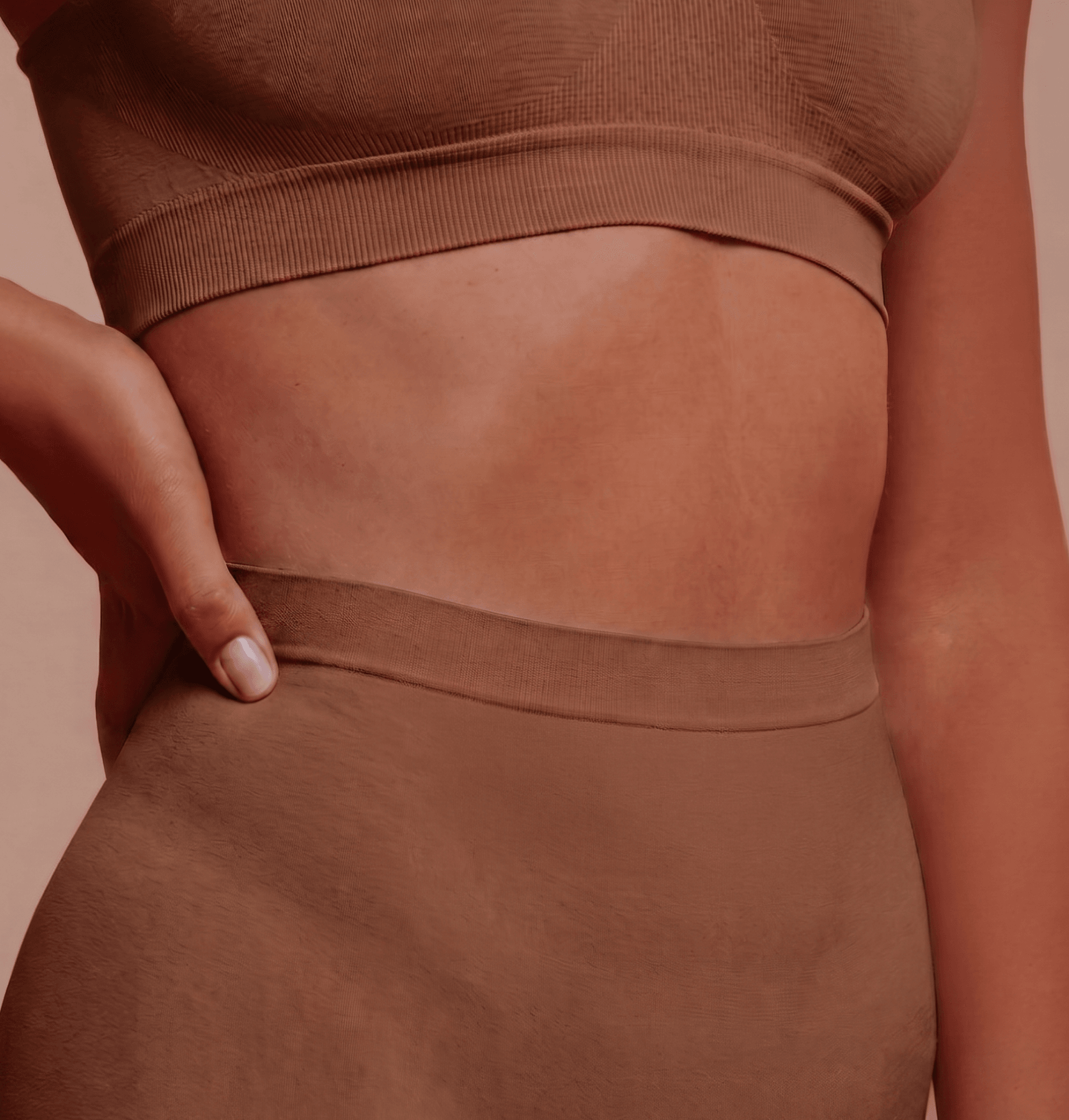
Hip augmentation with fat grafting uses your own transferred fat to add volume and shape to the hips. It can soften hip dips and create a smoother, more proportionate transition from the waist to the thighs.

Know the Science of
Hip Augmentation with Fat Grafting
Harvests Fat From Donor Areas
- Liposuction removes fat from selected areas
- The waist and abdomen are common donor sites
- Donor contouring enhances the overall shape

How Hip Augmentation with Fat Grafting Changes Your Routine
A Smoother Side Profile
Filling hip dips can create a softer, more continuous outline.
A More Defined Waist
Contouring donor areas can emphasise the waist-to-hip ratio.
Clothing That Drapes Differently
Fuller hips can change how fitted garments sit on the body.
A Natural Result
Using your own fat avoids implants and integrates with existing tissue.
- Autologous

Autologous fat placement enhances hip projection and contour.
- Natural
Graft integration creates soft, natural contours over time.
- Guided
Strategic placement refines proportions and smooths hip dips.
Dos and Don’ts
Aftercare
Avoid Pressure On The Hips
Follow your expert's advice on sleeping positions that avoid lying on the treated areas.
Wear Compression On Donor Sites
Support the liposuction areas as directed.
Keep Your Weight Stable
Weight changes can influence the grafted fat.
Stay Gently Active
Light walking supports circulation during recovery.
Avoid Strenuous Exercise
Return to intense activity only when your expert confirms it is appropriate.
Attend Follow-Up Appointments
Reviews help your expert assess how the result is settling.

FAQs
Clarity to help you understand the treatment, what it does, and how it feels.
Hip dips are natural indentations along the outer hip, largely determined by the shape of the pelvis and how fat and muscle are distributed around it. They are common and not a sign of poor health or fitness. Because they are structural, exercise alone may not change their appearance, which is why some people consider contouring.
Related Specialties