Loading…
Dental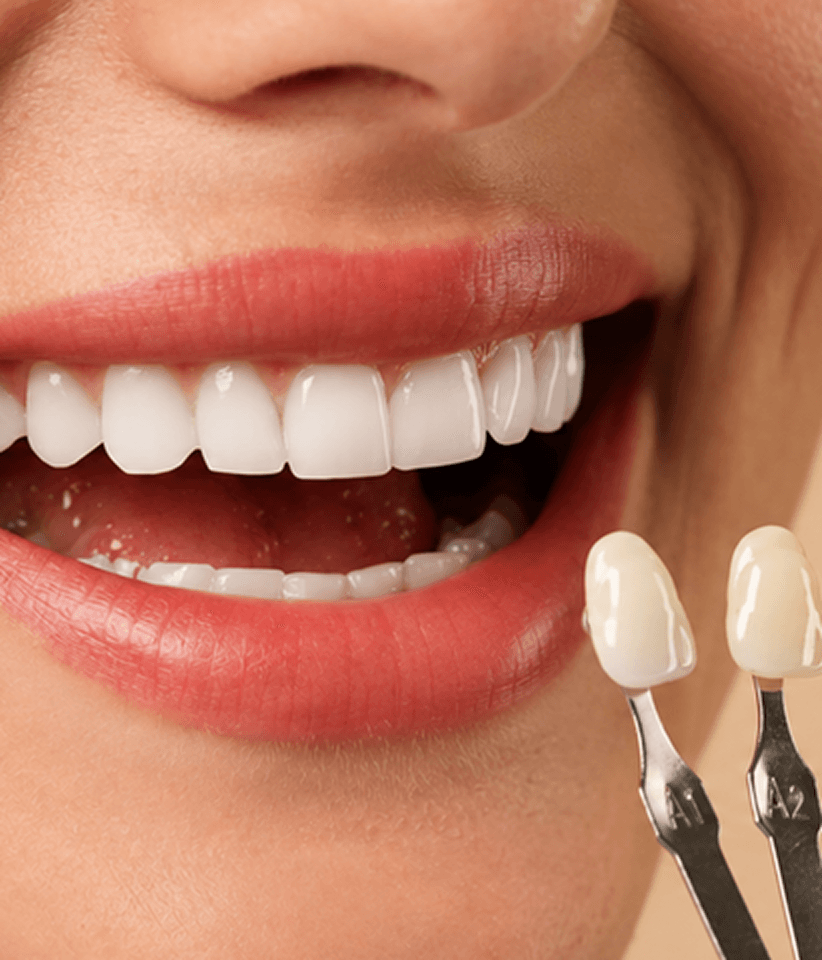
How Long Do Dental Veneers Last? Material, Placement and the Habits That Decide It
27 October 20266 minsVeneers are an investment, so their lifespan matters. How long porcelain and composite typically last, and what decides where yours falls within that range.
What a veneer is, and what it is made from
A veneer is a thin, custom-made shell bonded to the front surface of a tooth to change its shape, colour or proportion. It is used to close small gaps, soften discolouration that whitening cannot shift, and even out chipped or uneven edges.
Two materials are used. Porcelain is made in a dental laboratory and valued for its translucency and resistance to staining, which lets it mimic natural enamel closely. Composite resin is sculpted directly onto the tooth in the chair. It is more affordable and easier to repair or adjust, but it is softer, and it wears and stains more readily.
Placement follows a planned sequence. A consultation sets out the goal, often with a digital smile design preview. The teeth are prepared conservatively, impressions or scans are taken, and each veneer is bonded, with fit, shade and bite checked before the appointment ends.
How long each material typically lasts
Porcelain veneers commonly last 10 to 20 years with good care. Long-term clinical studies report that most well-placed porcelain veneers are still in service after a decade.
Composite veneers typically last five to seven years. They are more porous, so they pick up stains sooner and their edges wear faster, but they can usually be polished, repaired or refreshed without full replacement.
These are ranges rather than promises. Where an individual veneer falls within them depends on how it was placed and how it is looked after.
What shortens a veneer’s life, and what protects it
Grinding and clenching are among the most common causes of early chipping or debonding. If you grind at night, a custom night guard cushions the load and is one of the simplest ways to protect veneers.
Habits matter. Chewing ice, biting nails and using teeth to open packaging concentrate force on the veneer edge. Coffee, tea, red wine and turmeric can stain the margins over time, particularly with composite.
Home care keeps the margins healthy. Brush with a soft brush and a non-abrasive toothpaste, since whitening pastes can dull the surface, and floss gently around each veneer. Regular check-ups and professional cleaning catch micro-cracks and margin staining early, when they are simplest to address.
Placement quality sets the ceiling. Precise preparation, careful bonding and a well-balanced bite decide how much stress each veneer carries across its lifetime.
Signs a veneer needs review
Small chips, cracks or colour change at the edges suggest a veneer is nearing the end of its working life. Gum recession can expose the junction between veneer and tooth, affecting both appearance and cleaning. A veneer that feels loose or shifts should be reviewed promptly, to protect the tooth beneath.
A single veneer can usually be replaced on its own, although matching the shade to existing veneers needs care. At Tajmeel Abu Dhabi, veneer consultations are available at Aldar HQ, Al Karamah and Al Shahama, and each plan includes a maintenance schedule so that small issues are picked up early.
Book a veneer consultation at Tajmeel Abu Dhabi.
A veneer’s lifespan is decided twice: once at placement, and every day after it. Both can be planned for.