Loading…
Dental
Specialised dentistry spanning aesthetics, function and long-term oral health.
































Your Teeth, Captured In 3D
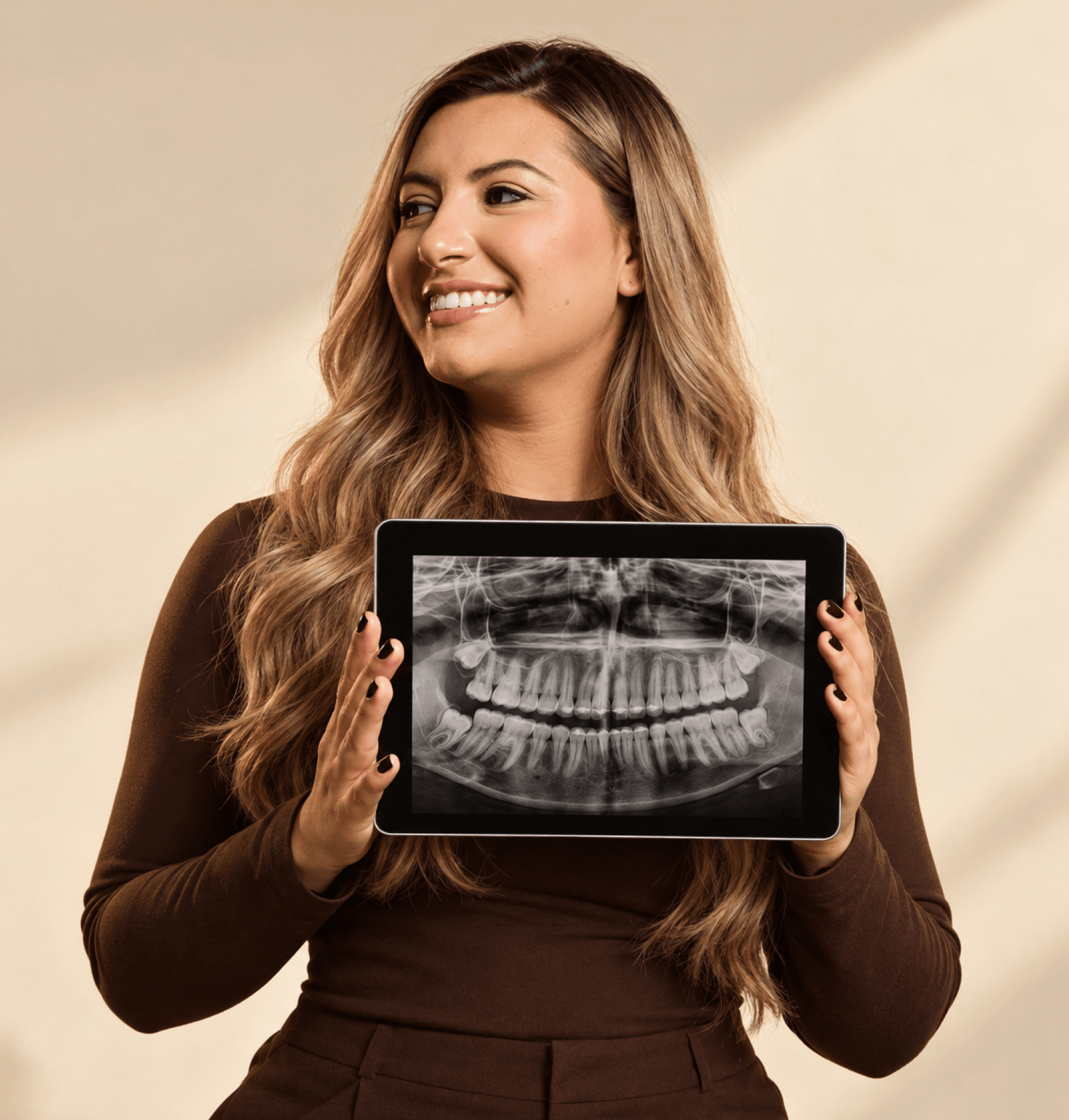
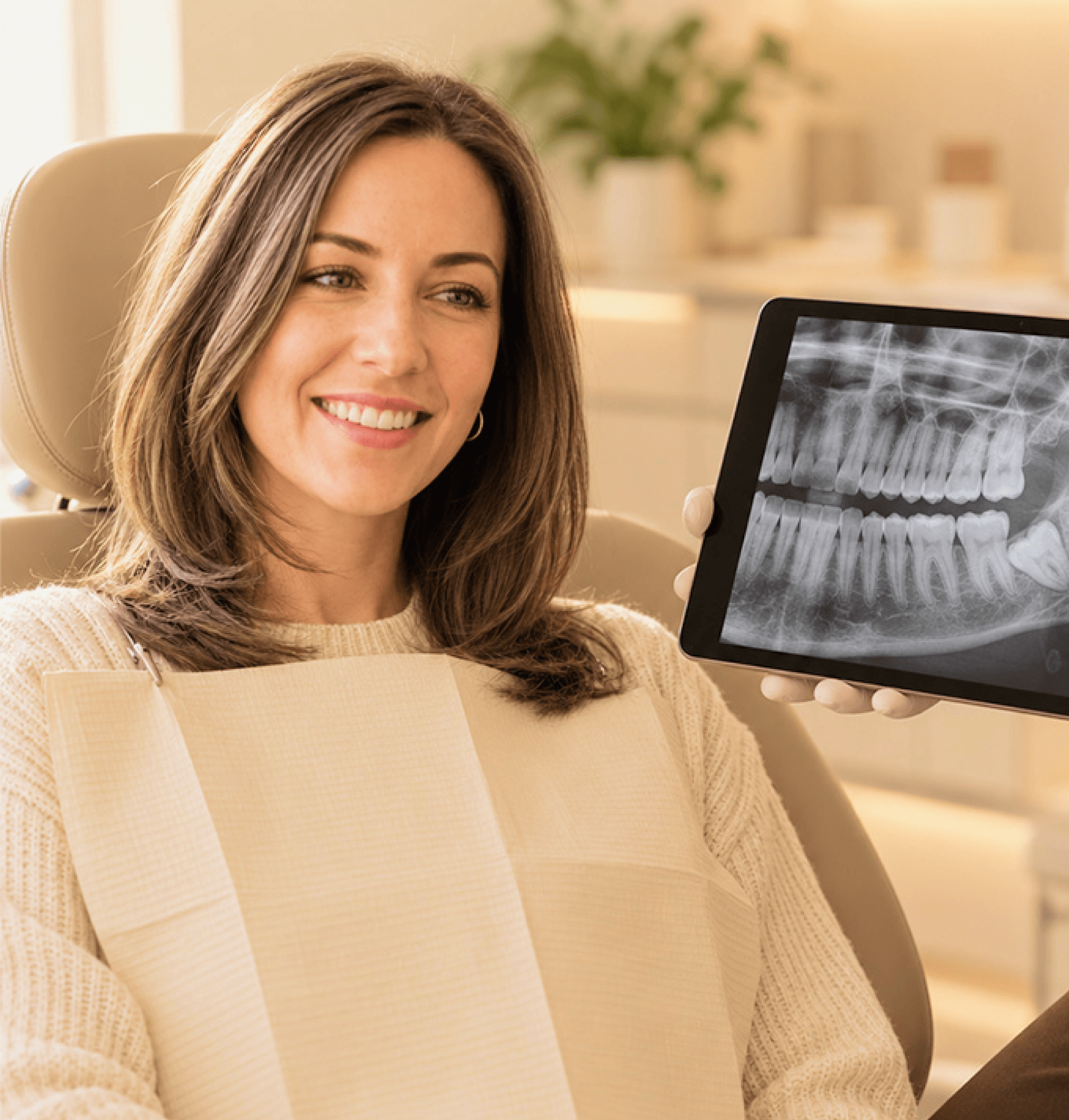
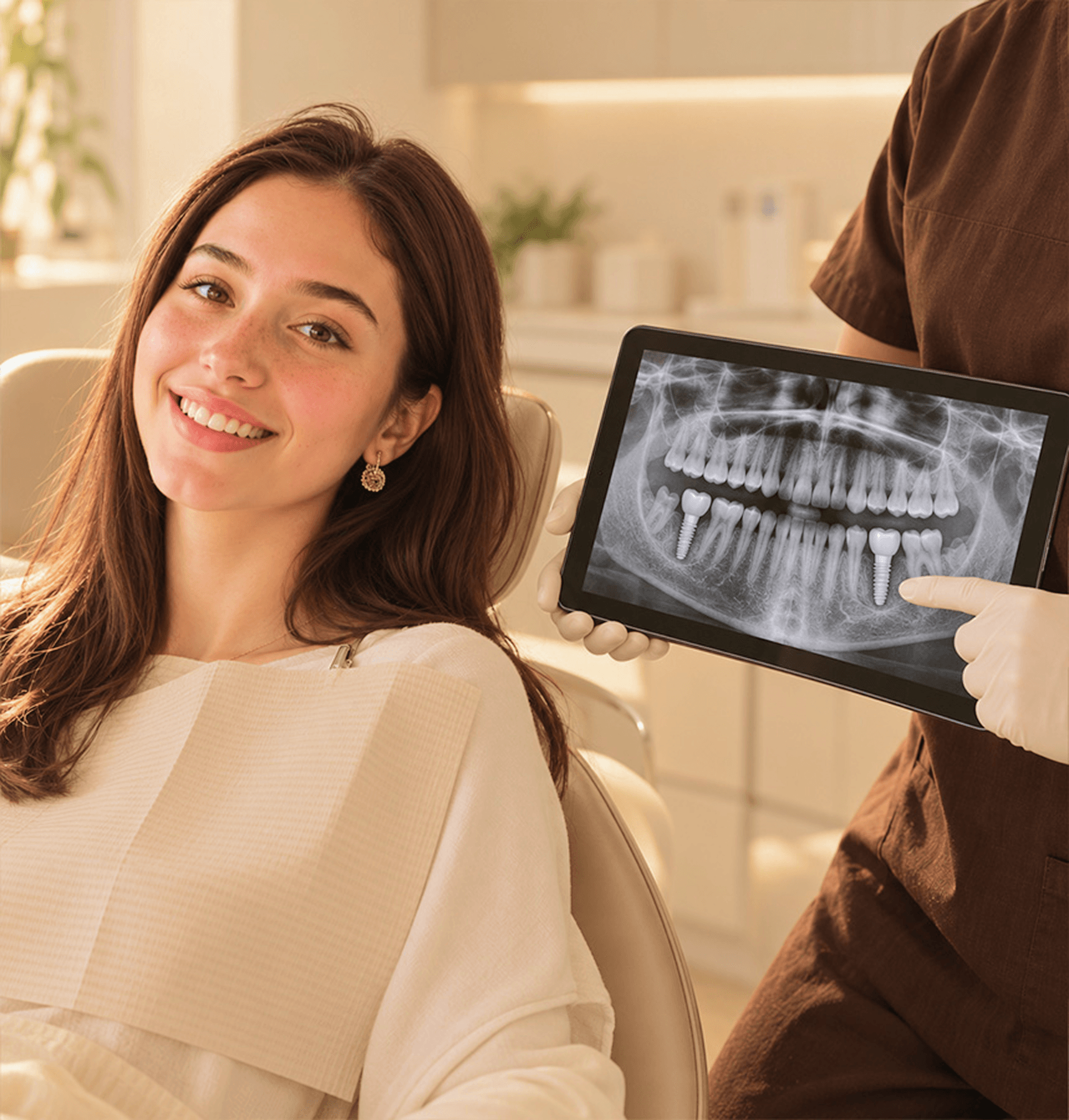
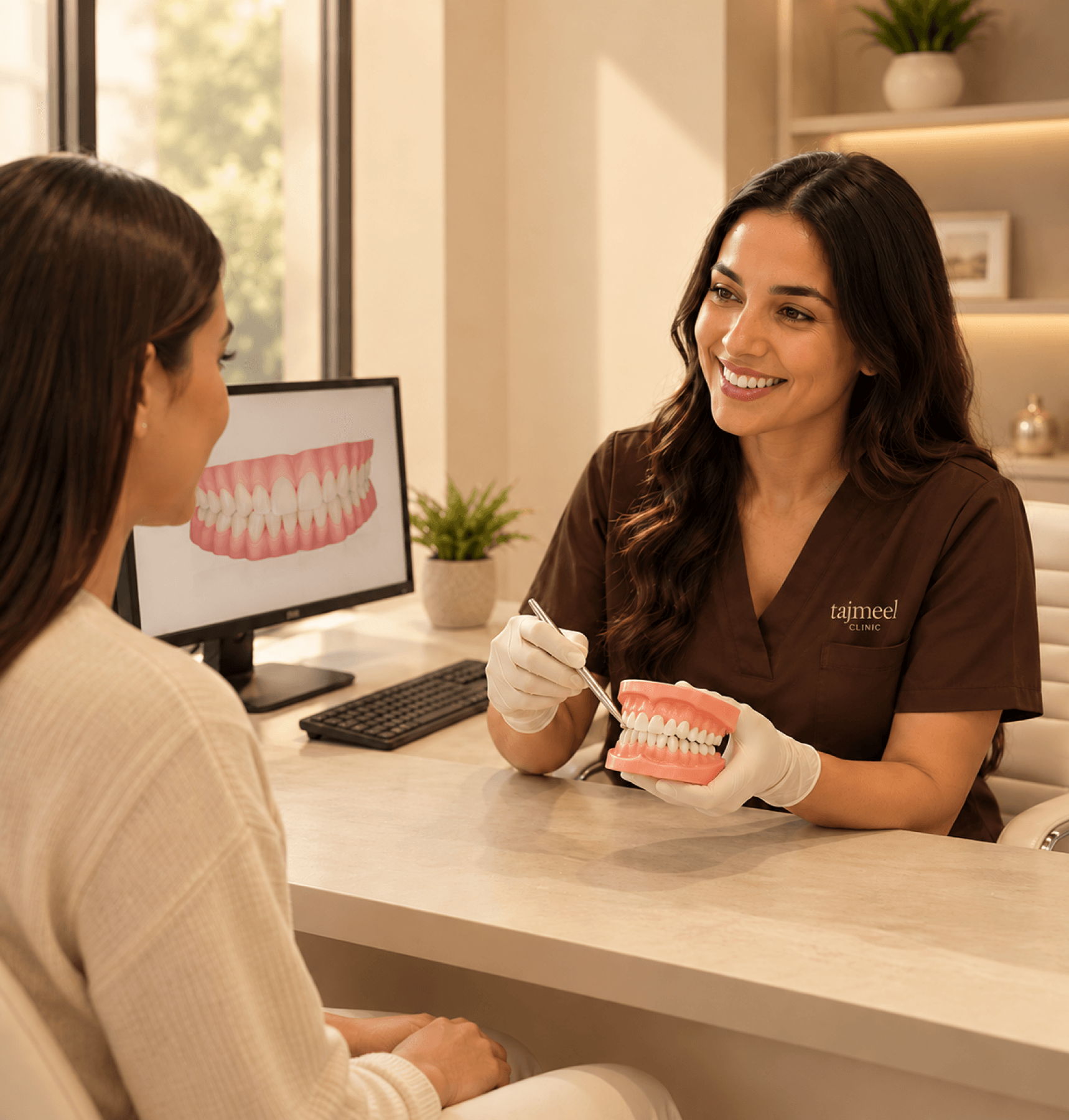
The iTero Lumina is a handheld scanner that records a detailed 3D model of your teeth and gums in minutes, in place of impression trays and putty. The scan is used to plan aligners, crowns, veneers and other restorations, and can show a simulation of how your teeth may move before treatment begins.
Alignment, At Any Age
Orthodontic appliances use braces and other devices to align teeth and correct the bite in both children and adults. The appliance is selected according to age, jaw development and the movements needed, so treatment suits the stage you are at.
Precision, Bracket By Bracket
Fixed brace systems move teeth into position over a planned course of treatment. Metal, ceramic and self-ligating options differ in appearance and mechanics, allowing the system to be matched to the movements required and to how visible you would like treatment to be.
Alignment, Almost Invisible
Clear aligners are removable transparent trays worn in sequence to move teeth without fixed brackets. Each tray applies small, planned movements, making them a discreet option for people who would prefer their treatment to go unnoticed.
Protecting The Position You Worked For
This group of devices supports alignment in two ways. Habit-breaking appliances discourage habits such as thumb-sucking that can affect developing teeth, while retainers hold teeth in their new position once active treatment is complete.
A Discreet Path To A Straighter Smile
Invisalign and similar clear aligner systems are used where the goal is discreet, aesthetic alignment of the teeth. A series of custom trays moves the teeth gradually, with the plan mapped digitally before treatment begins.
Saving The Tooth You Already Have
Root canal treatment removes infected or inflamed pulp from inside a tooth, then cleans, shapes and seals the canal system. Depending on the tooth and the extent of infection, treatment is completed in one appointment or across several.
A Second Chance For A Treated Tooth
Re-treatment is carried out on a tooth that has had root canal treatment previously, where infection or symptoms persist. The existing filling material is removed, the canal system is reassessed and cleaned, and the tooth is sealed again.
Protecting The Tooth From Within
Pulp therapy treats the inner tissue of a tooth with the aim of keeping the tooth in place rather than removing it. It is commonly used in children's teeth and in young adult teeth where the pulp is inflamed or exposed by decay or injury.
Decay Removed, Structure Restored
A filling removes decay and rebuilds the tooth with a restorative material. Treating a cavity early protects the healthy tooth structure around it and reduces the risk of the decay reaching the nerve.
Rebuilt, Replaced, Reinforced
Crowns cap a damaged tooth to restore its strength and shape, while bridges replace missing teeth by anchoring to neighbouring teeth or implants. Both are custom-made to restore function and blend with your natural smile.
A Complete Rebuild, Carefully Planned
A full mouth prosthesis replaces or restores the full upper and lower dentition. It is planned around your bite, facial proportions and remaining teeth, and may combine crowns, bridges, implants or removable components.
Replacing What Is Missing
Dentures are removable replacements for some or all missing teeth. Complete dentures replace a full arch, while partial dentures fill gaps and clasp onto remaining teeth, restoring appearance, speech and the ability to chew.
A New Smile, Without Commitment
Snap-On Smile is a removable appliance that clips over your existing teeth to change their appearance. It requires no drilling or injections, making it a reversible option for people who want to see a different smile before committing to fixed treatment such as veneers or crowns.
Shape, Shade, Alignment, Refined
Veneers are thin shells bonded to the front of the teeth to change their shape, shade or alignment. Lumineers are an ultra-thin option that often requires little or no tooth preparation, depending on the result being planned.
A Smile, Designed As A Whole
A smile makeover combines several treatments into one plan to change the overall appearance of your smile. Veneers, whitening, gum contouring and alignment may be brought together, sequenced so that each step supports the final result.
Removal, Planned Properly
Extraction removes a tooth that cannot be saved or is causing problems. A simple extraction lifts the tooth directly, while a surgical approach is used where the tooth is broken, impacted or requires access through the gum.
The Difficult Ones, Handled Carefully
Complex removals involve teeth that are impacted, broken or positioned close to important structures, most often wisdom teeth. Detailed imaging and careful surgical planning allow these teeth to be removed predictably and safely.
A New Root, Precisely Placed
Dental implants are titanium or ceramic posts placed in the jaw to support replacement teeth. Simple cases involve uncomplicated placement, while complex cases may require grafting, guided surgery or staged treatment.
Every Angle, Planned In Advance
Precision implant dentistry plans each implant from 3D imaging so it is placed at the intended angle and depth. Mapping bone, nerves and sinuses before surgery helps protect surrounding structures and positions the implant to support a natural-looking restoration.
A Full Arch, Firmly Supported
Full-arch rehabilitation replaces all the teeth in one or both jaws using a small number of implants to support a fixed bridge. It restores chewing, appearance and facial support for people with extensive tooth loss.
Building The Foundation First
These procedures increase bone volume so that an implant can be placed securely. A sinus lift raises the sinus floor to create height in the upper back jaw, while grafting and ridge augmentation rebuild width or height elsewhere.
A Clean That Brushing Cannot Achieve
Professional cleaning removes plaque and hardened tartar, then polishes the tooth surfaces. Regular appointments keep gums healthy, reduce staining and give your dentist the opportunity to spot early changes.
Understanding Comes First
Counselling and education give you clear guidance on treatment options, prevention and long-term oral health. Rather than presenting a single plan, the aim is to help you understand the alternatives, the risks and what each involves.
Technique Matters More Than Effort
Instruction in brushing, flossing and interdental cleaning shows you exactly how to clean your own mouth effectively. Small changes in technique, timing and tools often make more difference than brushing harder or longer.
Comfort First, Then The Plan
Dental pain is assessed and relieved promptly, with symptoms managed while definitive treatment is planned. For both adults and children, the priority is identifying the source of pain and making you comfortable quickly.
Catching Problems While They Are Small
Scheduled examinations are designed to detect problems at an early stage, when treatment is simpler and more conservative. Each visit combines examination, risk assessment and prevention advice suited to your mouth.
One Image, Both Jaws
An OPG is a single panoramic X-ray showing all the teeth and both jaws in one view. It provides an overview of tooth position, wisdom teeth, jaw joints and bone levels, making it useful for screening and treatment planning.
Detail, Taken At The Chair
Intraoral X-rays are small, focused images of one or two teeth taken during your appointment. They show fine detail of the crown, root and surrounding bone, making them essential for diagnosing decay, infection and root problems.
An Even Tone, Gum To Tooth
Gum depigmentation lightens areas of darker gum pigmentation using laser or surgical technique. Pigmentation is usually natural and harmless, but where it affects the appearance of a smile, treatment can create a more even tone.
Cleaning Beyond The Surface
Root planing cleans below the gumline to remove bacterial deposits from the root surfaces. Where gum pockets have formed, this deeper clean allows the tissue to settle and reattach, halting the progression of gum disease.
Protecting The Ground You Gained
Periodontal maintenance is a programme of scheduled cleanings and monitoring after gum treatment. Because gum disease can return, regular reviews keep bacteria under control and allow any change in pocket depths to be caught early.
Treating What Bleeding Gums Signal
Gum infection and inflammation are assessed and treated through a combination of professional cleaning, targeted therapy and improved home technique. Addressing gingivitis early can prevent it progressing to periodontal disease and bone loss.
Finding The Source, Not Masking It
Persistent bad breath and bleeding gums are investigated and treated rather than covered up. Assessment looks at the gums, teeth, tongue and contributing factors, so treatment addresses the cause rather than the symptom.
More Tooth, Where It Matters
Crown lengthening reshapes gum and, where necessary, bone to expose more tooth surface. It is used to even out the gumline for aesthetic reasons, or to provide enough tooth structure for a crown or filling to be placed securely.
Access, Where Cleaning Cannot Reach
Flap surgery involves lifting the gum tissue to access the root surfaces and bone beneath. It is used where deep pockets have not responded to non-surgical treatment, allowing thorough cleaning and, where appropriate, reshaping or regeneration of bone.
Keeping Young Teeth Intact
Preventive and conservative treatment aims to stop decay before it starts and to retain as much natural tooth structure as possible when treatment is needed. For children, this builds habits and confidence alongside healthy teeth.
Better Habits, Healthier Teeth
This combines professional cleaning, hygiene coaching and treatment of cavities in children. Alongside restoring affected teeth, the focus is on building a daily routine that children can manage and parents can support.
Restoring And Protecting Growing Smiles
This group of treatments covers restorations for children, spacers that hold a gap after early tooth loss, and relief for dental pain. Together they keep developing mouths comfortable, functional and correctly spaced.
Keeping Young Teeth In Place
Root canal treatment in children treats the pulp of baby or young adult teeth so that the tooth can stay in place. Keeping the tooth supports chewing, speech and spacing for the adult teeth developing beneath.
Treatment Made Possible, Calmly
Sedation and general anaesthesia allow dental treatment to be carried out for children who are unable to tolerate it awake, or where extensive work is needed. The approach is selected after medical assessment and discussed fully with parents.
When Removal Is The Right Step
Removing a baby tooth may be necessary when it is badly decayed, infected, or blocking the eruption of an adult tooth. The procedure is planned carefully, with attention to comfort and to protecting the space left behind.
Enamel, Reinforced
Professional fluoride is applied to strengthen enamel against decay. Delivered as a varnish or gel, it supports the natural repair of early damage and is particularly valuable for children and anyone at higher risk of cavities.
Sealing The Grooves Before Decay Starts
Sealants are protective coatings placed into the grooves of back teeth, where decay most often begins. By smoothing these deep pits and fissures, they make the surface far easier to clean and reduce the risk of cavities.