Loading…
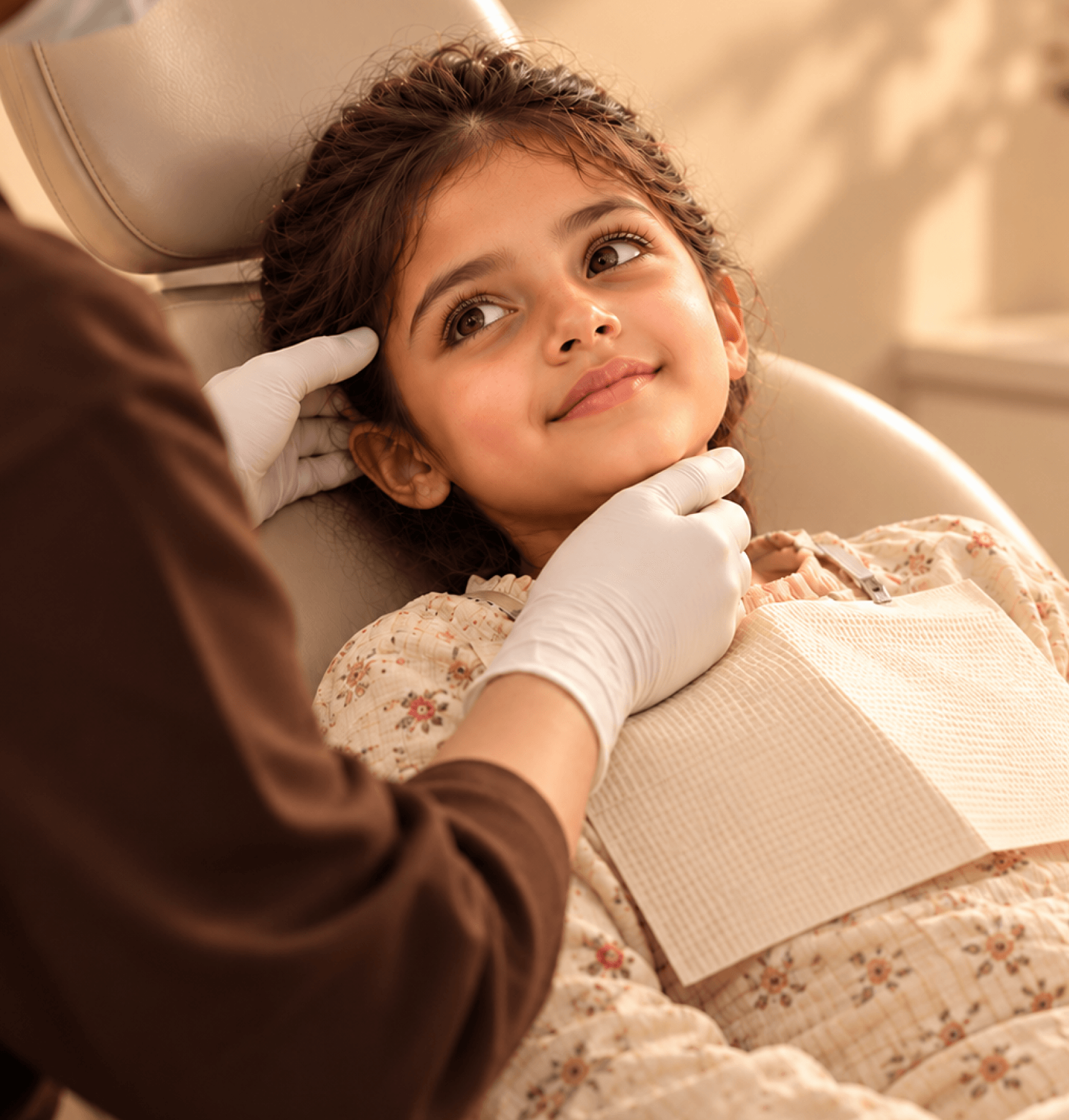
Dental Care under Conscious Sedation & General Anaesthesia
Treatment Made Possible, Calmly
Sedation and general anaesthesia allow dental treatment to be carried out for children who are unable to tolerate it awake, or where extensive work is needed. The approach is selected after medical assessment and discussed fully with parents.

Know the Science of
Sedation and Anaesthesia in Dentistry
Assesses Suitability First
- Medical history is reviewed in detail
- Age, weight and airway are considered
- The safest option is recommended

How Sedation Changes Your Routine
Treatment Becomes Possible
Necessary work can be completed safely and calmly.
Fewer Appointments
Extensive treatment can often be done in one session.
Less Distress
Anxiety and difficult experiences are reduced.
Careful Supervision
Monitoring continues from start to discharge.
- Assessed

Medical history evaluation determines suitability for sedation procedure.
- Tiered
Options range from minimal to general anaesthesia levels.
- Monitored
Continuous vital signs monitoring ensures child wellbeing throughout.
Dos and Don’ts
Aftercare
Follow Fasting Instructions
Timing is strict and important for safety.
Share All Medications
Include inhalers, supplements and recent illnesses.
Arrange An Escort Home
Your child must be accompanied after sedation.
Plan A Quiet Day
Rest and light activity are recommended afterwards.
Offer Soft Foods
Start with fluids, then soft foods as advised.
Follow Discharge Instructions
Contact details are provided if you have concerns.

FAQs
Clarity to help you understand the treatment, what it does, and how it feels.
Sedation may be considered for very young children, those with significant anxiety, special needs or a strong gag reflex, or where extensive treatment is required. The decision is made after assessing your child's needs, health and the treatment planned.
Related Specialties