Loading…
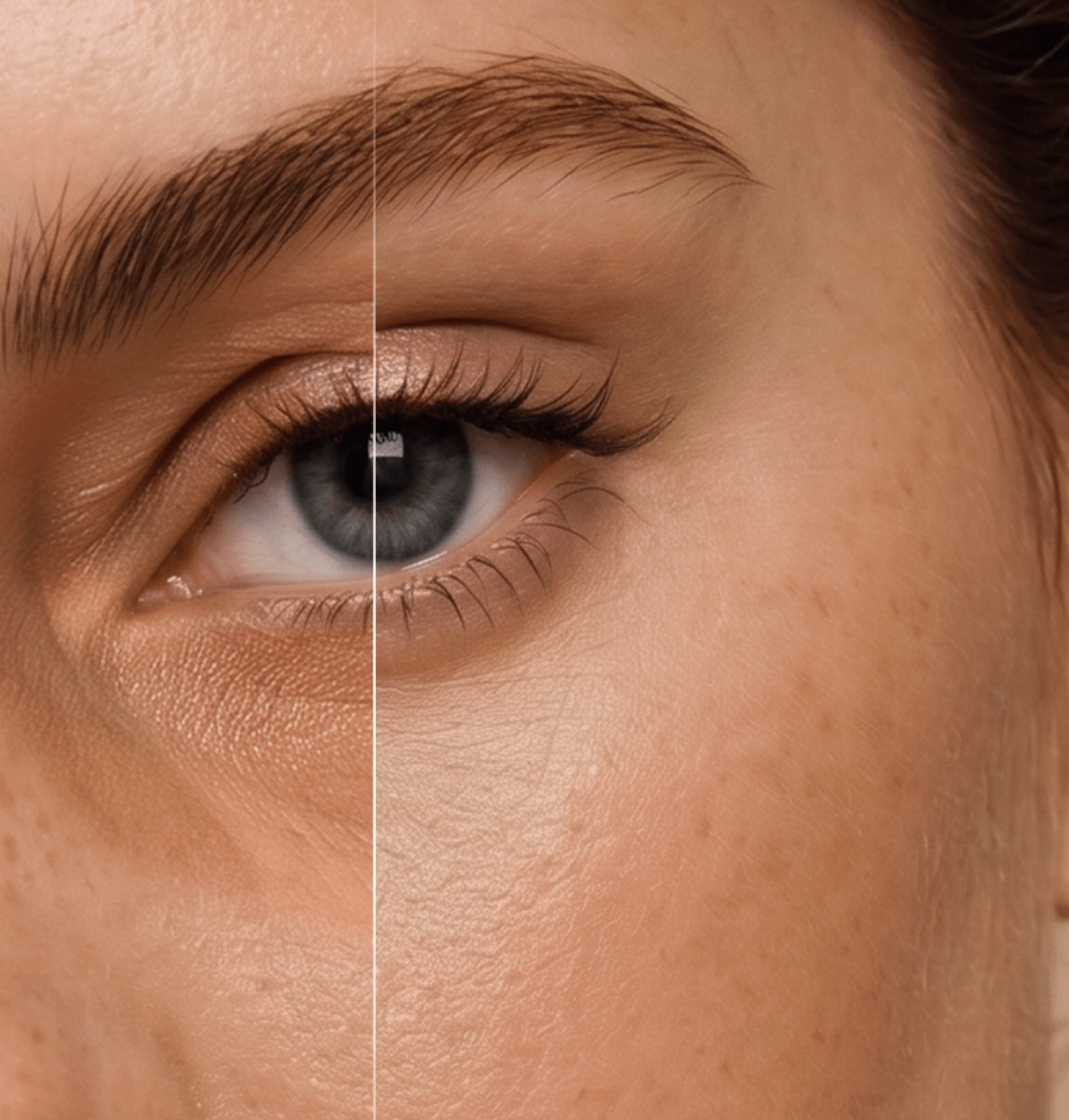
Blepharoplasty (Eyelid Surgery)
A Refreshed Look, Without Changing Who You Are
Blepharoplasty refines the upper or lower eyelids by addressing excess skin and tissue. Depending on the area being treated, the procedure can reduce hooding, puffiness or under-eye fullness while preserving the natural character of the eyes.

Know the Science of
Blepharoplasty
Refines The Upper Eyelid
- Addresses excess skin within the upper lid
- The natural eyelid crease guides the incision
- Can restore greater visibility to the upper lid

How Blepharoplasty Changes Your Look
A More Open Upper Lid
Reducing excess skin can create greater visibility across the upper eyelid and restore definition to the natural crease.
Less Prominence Around The Eyes
Addressing protruding or excess tissue can soften the appearance of puffiness around the eyelids.
A Refined Lower-Eye Contour
Where lower-lid fullness is contributing to a tired appearance, treatment can create a smoother transition around the eye.
Your Expression, Still Yours
Blepharoplasty is designed around the existing anatomy of your eyes, with the goal of refining rather than fundamentally altering your appearance.
- Crease

Upper lid incisions follow the natural eyelid crease.
- Internal
Lower lid incisions may sit inside the eyelid.
- Combined
Treating both lids together takes around two hours.
Dos and Don’ts
Aftercare
Cool, Don't Press
Cold compresses may be recommended during the early recovery period to help manage swelling. Avoid placing direct pressure on the eyes.
Keep Your Eyes Lubricated
Your expert may prescribe lubricating drops or ointment to manage dryness and irritation while the eyelids heal.
Let Your Eyes Rest
Limit activities that strain the eyes during the early stages of recovery, following the specific guidance provided after surgery.
Sleep With Your Head Elevated
Keeping your head elevated while resting can help reduce postoperative swelling around the eyelids.
Protect Your Eyes From The Sun
Wear darkly tinted sunglasses and follow your expert's advice on sun protection while the area heals.
Leave The Incisions Alone
Avoid rubbing, pulling or putting unnecessary pressure on the eyelids while the incision lines are healing.

FAQs
Clarity to help you understand the treatment, what it does, and how it feels.
Upper blepharoplasty primarily addresses excess skin and, where appropriate, protruding fat in the upper eyelid. Lower blepharoplasty is commonly used to address under-eye bags and fullness, with fat sometimes removed or repositioned and small amounts of skin removed when needed. The two procedures can be performed separately or together depending on your anatomy and goals.
Related Specialties