Loading…

Rhytidectomy (Facelift)
A More Defined Expression of You
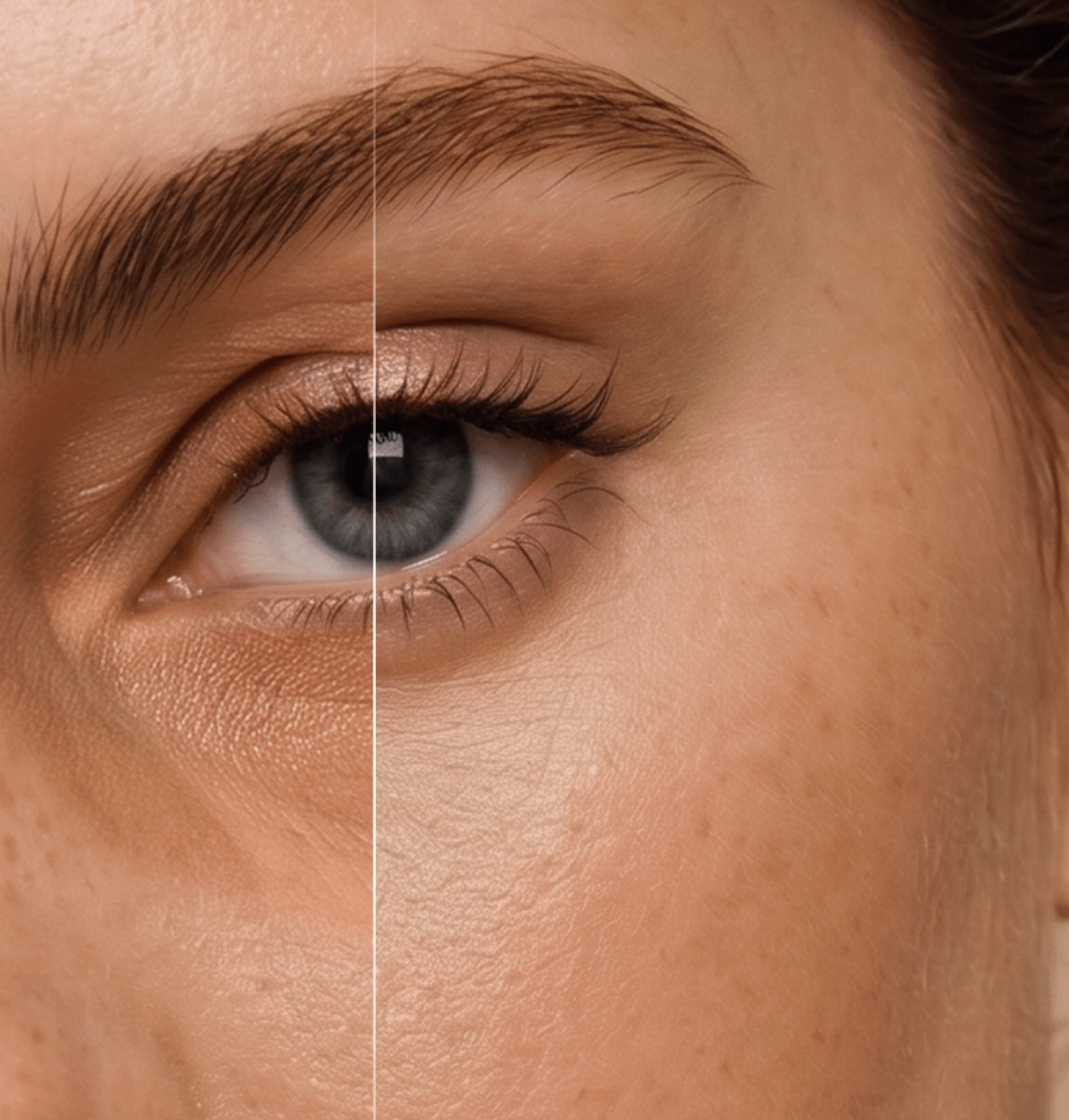
A facelift is a surgical procedure designed to address visible signs of facial ageing by repositioning and tightening facial tissues, helping restore definition across the face and neck.

Know the Science of
Rhytidectomy
Repositions Facial Tissues
- Addresses underlying soft tissue
- Repositions areas affected by laxity
- Supports a more defined facial contour

How a Facelift Changes Your Routine
A More Defined Facial Contour
Addresses visible sagging and laxity across the face and neck.
A Refreshed Appearance
Helps restore definition where facial tissues have shifted with age.
Greater Facial Balance
Can refine the relationship between the cheeks, jawline and neck.
Long-Term Structural Change
Unlike temporary aesthetic treatments, a facelift surgically repositions facial tissues for lasting change.
- Placement

Incisions are placed along the hairline and ears.
- Layered
Modern techniques also tighten the underlying SMAS layer.
- Anaesthesia
Carried out under general anaesthesia or intravenous sedation.
Dos and Don’ts
Aftercare
Keep Your Head Elevated
Rest with your head elevated to help manage postoperative swelling.
Follow Wound Instructions
Look after incisions and any dressings or drains exactly as instructed.
Avoid Strenuous Activity
Allow your body time to recover before returning to vigorous exercise.
Attend Follow-Up Appointments
Your expert will monitor healing and advise when normal activities can resume.
Protect Your Skin
Follow your expert’s guidance around sun exposure and skincare during recovery.
Allow Time To Heal
Swelling and bruising can continue for several weeks as the tissues settle.

FAQs
Clarity to help you understand the treatment, what it does, and how it feels.
A facelift is designed to address visible signs of ageing caused by changes in the skin and underlying facial tissues. It can improve sagging through the face and neck, soften the appearance of jowls and restore definition along the lower face and jawline. It does not stop the natural ageing process or address every aspect of skin ageing, such as pigmentation or superficial skin texture.
Related Specialties