Loading…
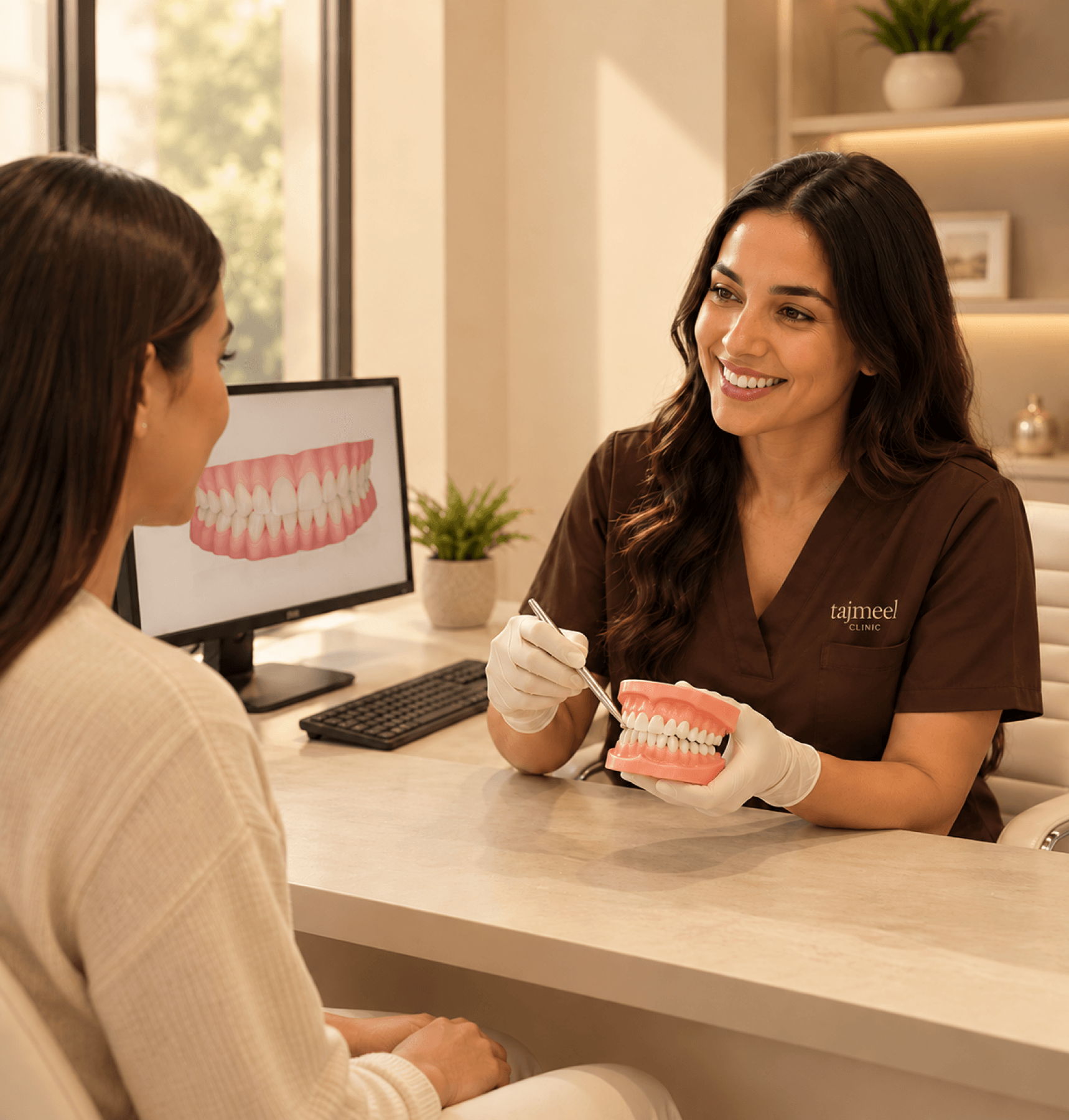
Dental Counselling & Education
Understanding Comes First
Counselling and education give you clear guidance on treatment options, prevention and long-term oral health. Rather than presenting a single plan, the aim is to help you understand the alternatives, the risks and what each involves.

Know the Science of
Dental Counselling
Explains Your Options
- Alternatives are outlined clearly
- Benefits and limitations are compared
- Costs and timelines are set out

How Counselling Changes Your Routine
Informed Choices
You understand what each option involves before agreeing.
A Personal Plan
Advice is based on your risk, not general rules.
Better Prevention
Understanding why makes habits easier to maintain.
Fewer Surprises
Costs, timelines and outcomes are discussed upfront.
- Explained

Treatment options and their respective risks are discussed.
- Assessed
Individual dental risk factors guide personalised prevention planning.
- Empowered
Understanding enables active participation in own dental care.
Dos and Don’ts
Aftercare
Bring Your Questions
Write them down before the appointment.
Share Your Medical History
Medications and conditions affect dental treatment.
Be Honest About Habits
Accurate information leads to better advice.
Take Notes
Treatment plans are easier to follow when recorded.
Ask For Written Information
Plans and estimates can be provided in writing.
Review Your Plan
Revisit it as circumstances change.

FAQs
Clarity to help you understand the treatment, what it does, and how it feels.
Your dentist reviews your examination findings, explains what they mean and outlines the options available, including doing nothing. Prevention, costs, timelines and expected outcomes are discussed so you can decide with full information. You are encouraged to ask questions and take time before agreeing to any plan.
Related Specialties