Loading…

Routine Dental Checks & Preventive Care
Catching Problems While They Are Small
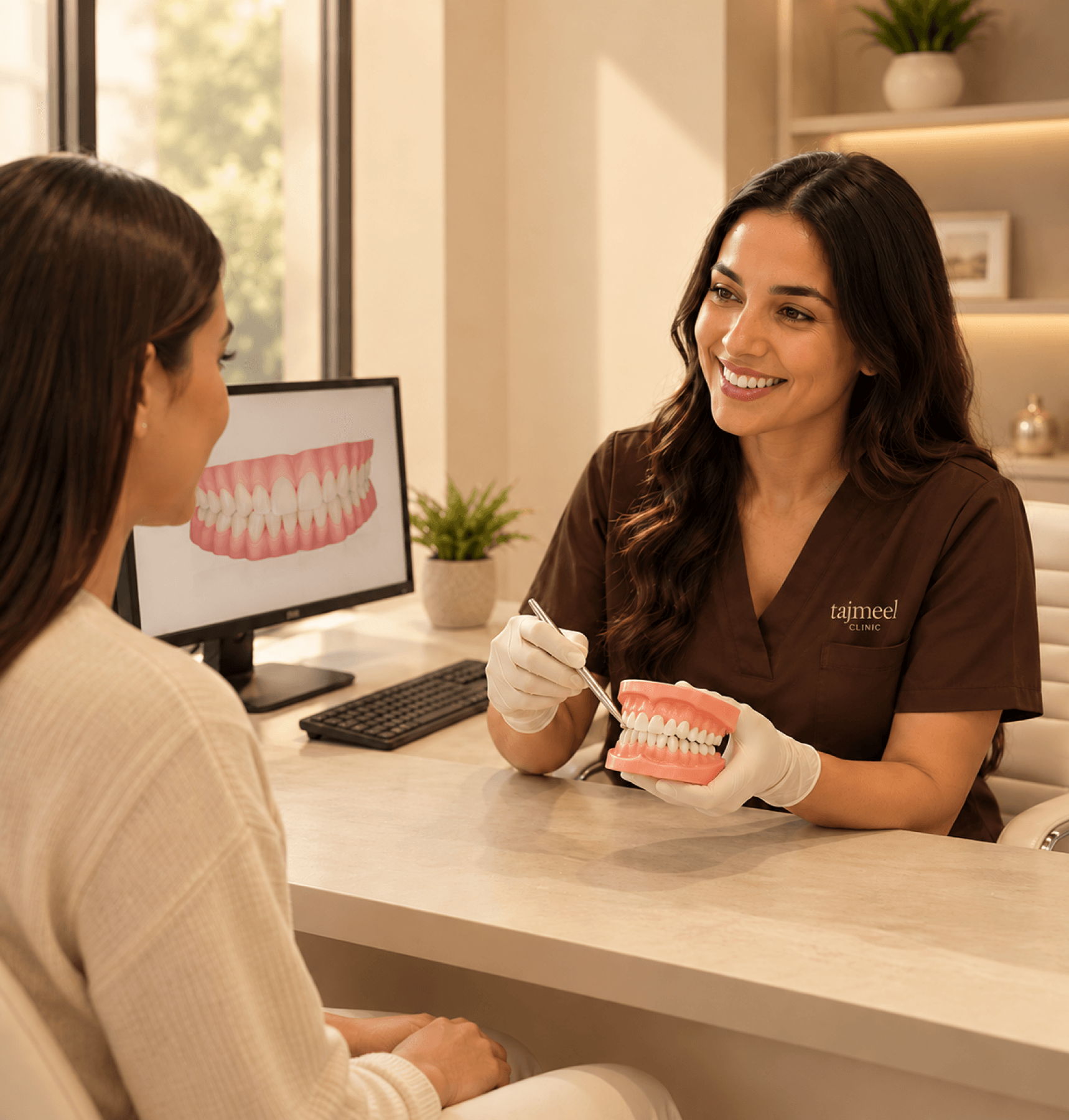
Scheduled examinations are designed to detect problems at an early stage, when treatment is simpler and more conservative. Each visit combines examination, risk assessment and prevention advice suited to your mouth.

Know the Science of
Routine Dental Examination
Examines Thoroughly
- Teeth, gums and soft tissues are checked
- Existing restorations are reviewed
- Bite and joints are assessed

How Routine Checks Change Your Routine
Simpler Treatment
Problems found early need less intervention.
Ongoing Monitoring
Changes are tracked over time rather than discovered late.
Screening Included
Soft tissues are checked at every examination.
A Personal Interval
Recall frequency reflects your risk, not a fixed schedule.
- Screened

Regular examination detects dental disease at early stage.
- Assessed
Risk evaluation guides frequency of future dental appointments.
- Monitored
Longitudinal follow-up detects subtle changes in oral health.
Dos and Don’ts
Aftercare
Keep Your Recall Appointments
Consistency is what makes early detection work.
Report New Symptoms
Do not wait for the next scheduled visit.
Update Your Medical History
Medications and conditions affect dental treatment.
Follow Prevention Advice
Small habit changes prevent most problems.
Ask About Findings
Understanding your risk helps you act on it.
Bring Children Regularly
Early familiarity reduces anxiety later.

FAQs
Clarity to help you understand the treatment, what it does, and how it feels.
Six-monthly visits suit many people, while others need three-monthly or annual reviews depending on their risk of decay and gum disease. Your dentist will set an interval based on your history, habits and current findings.
Related Specialties