Loading…
Dermatology
Diagnosis and treatment of skin conditions, led by specialist dermatologists.











Treating The Cause And The Aftermath
Acne treatment combines medical management of active breakouts with resurfacing of the scarring they can leave behind. Because acne has several drivers, treatment addresses oil production, blocked pores, bacteria and inflammation together.
Uneven Tone, Carefully Managed
Pigmentation and melasma are treated under dermatologist supervision, combining topical treatment, procedures and strict sun protection. Because melasma is prone to recurrence, treatment focuses on long-term management as much as immediate improvement.
Calming Redness And Flushing
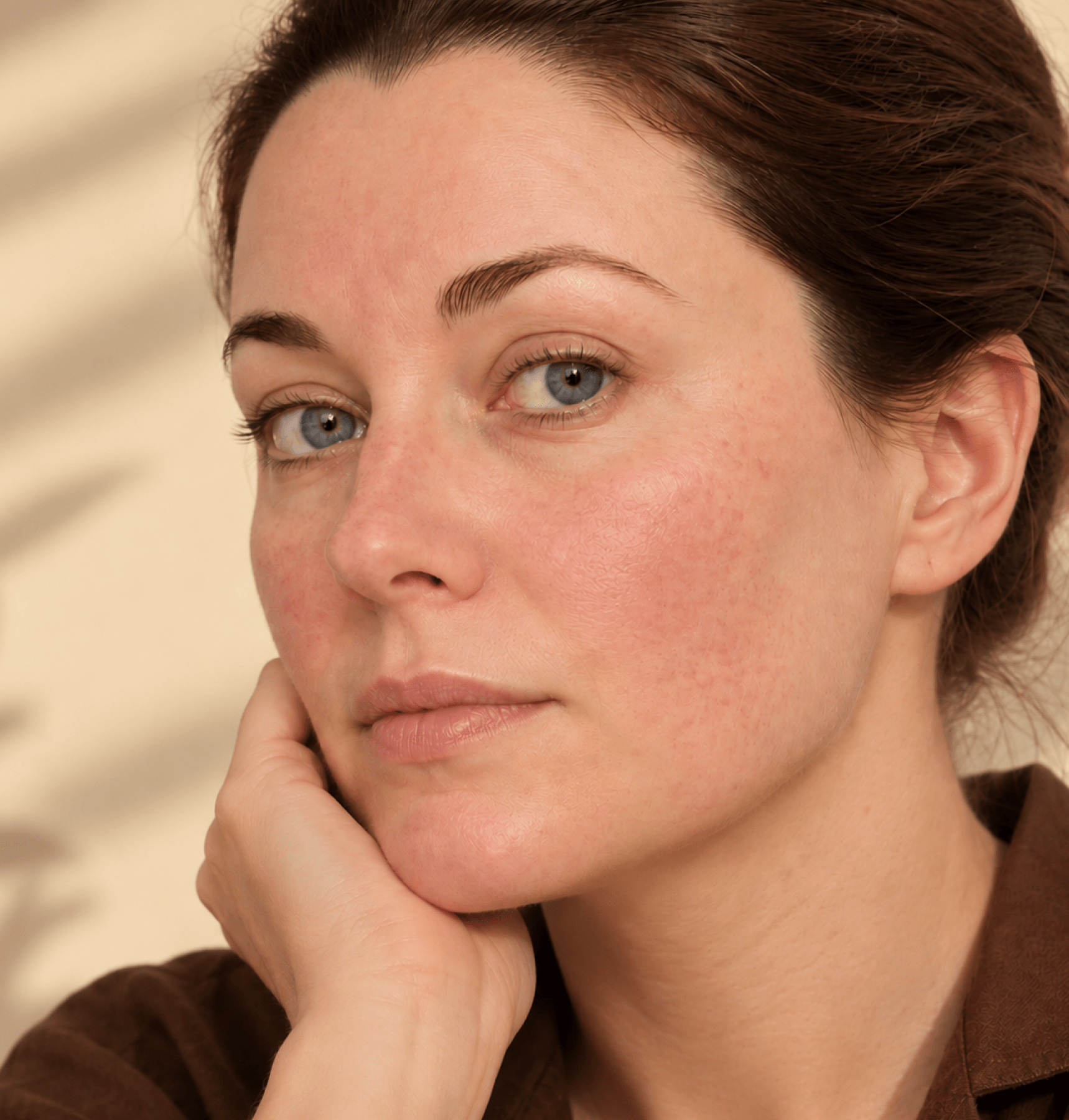
Rosacea treatment manages facial redness, flushing and visible surface vessels. Because rosacea is a long-term condition with individual triggers, treatment combines medical management, trigger identification and, where suitable, light-based therapy.
Identifying What Your Skin Is Reacting To
Dermatitis and rashes are diagnosed and managed by a dermatologist, covering eczema, contact dermatitis and other inflammatory conditions. Treatment addresses the flare while identifying triggers that keep the problem recurring.
Knowing Your Skin, Over Time
A routine skin check is a scheduled dermatological examination of the skin, including moles and other lesions. Regular assessment allows changes to be identified early and gives you a documented baseline for future comparison.
Removal, Chosen By Type
Warts are caused by a viral infection of the skin and can be removed using cryotherapy, cautery or laser. The method is selected according to the type of wart, its location and how it has responded to previous treatment.
Watching What Changes
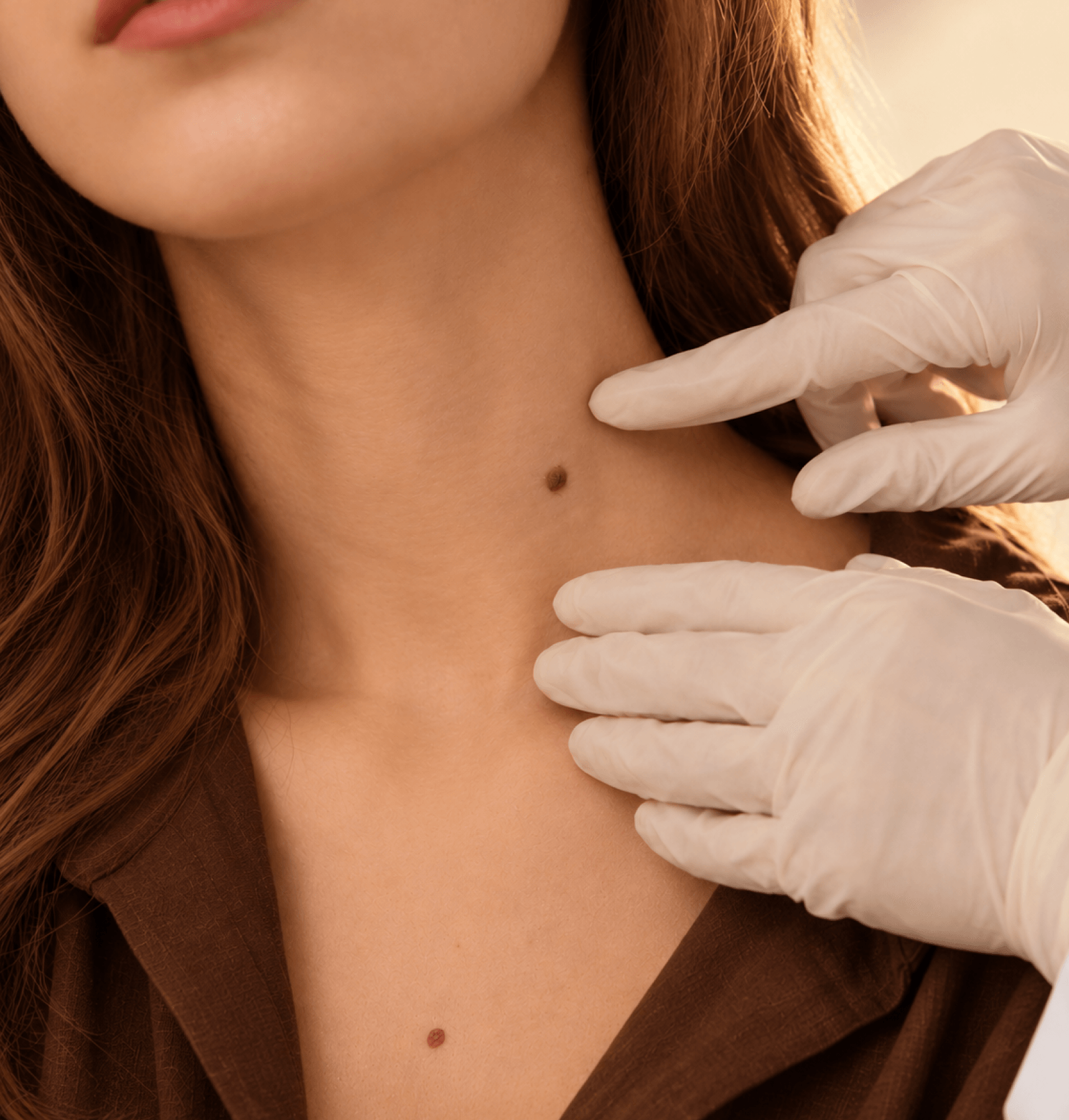
Mole assessment combines examination, photographic mapping and monitoring over time. Because change is the most important warning sign, documenting your moles allows any development to be identified early and acted on quickly.
Assessment First, Treatment If Wanted
Birthmark assessment covers congenital pigmented and vascular marks, with laser treatment available where appropriate. Some marks need monitoring only, while others may be treated for medical reasons or personal preference.
Visible Vessels, Targeted Precisely
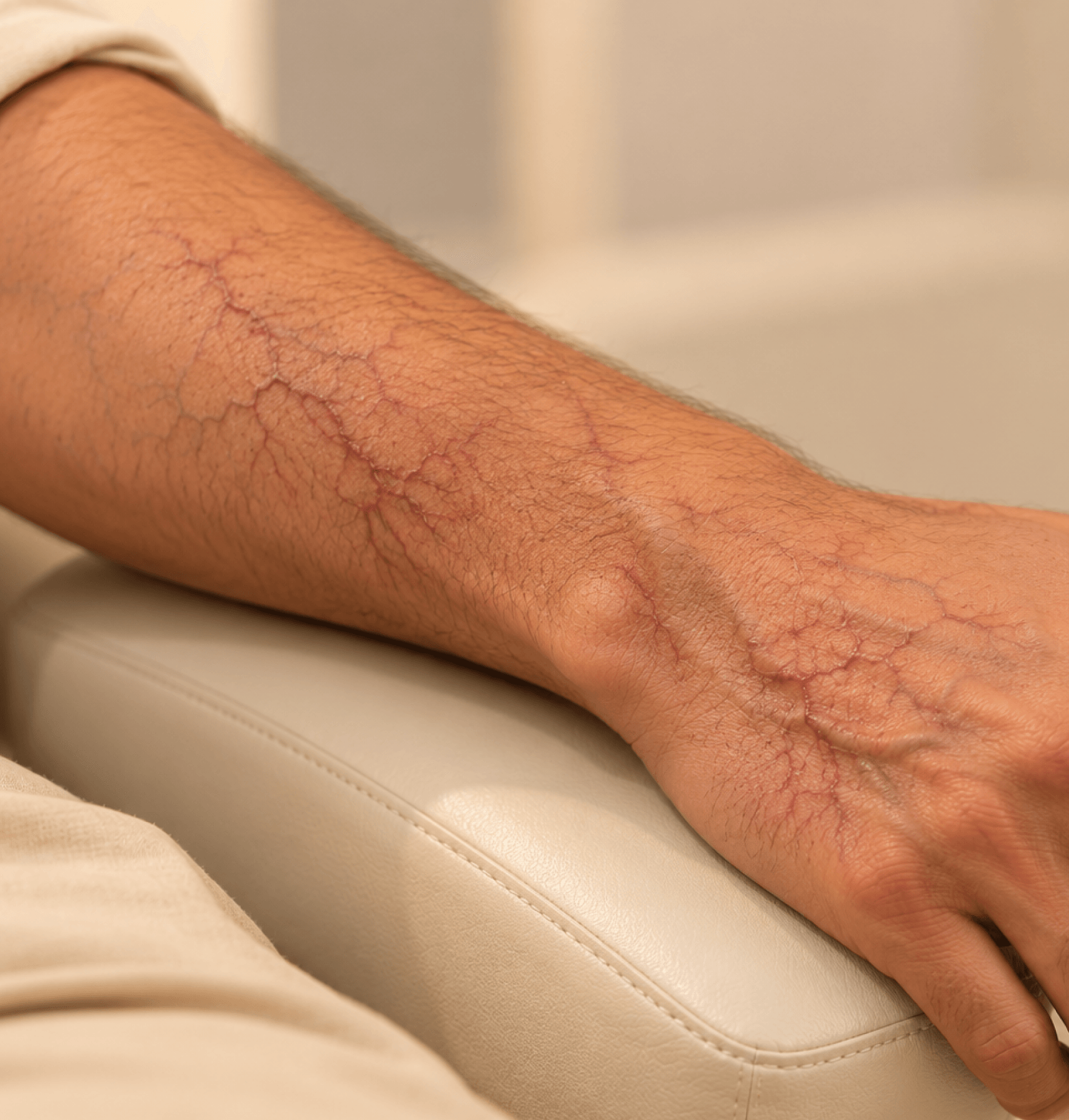
Vascular lesion treatment addresses thread veins, spider veins and other visible surface vessels. Light or laser energy is absorbed by the blood within the vessel, causing it to close and fade gradually.
Leg And Facial Veins, Addressed
Vein treatment addresses visible leg and facial veins using laser or sclerotherapy. Assessment first determines whether the veins are a surface concern or a sign of underlying venous insufficiency that needs separate management.
Precision For Skin Lesions
Laser surgery uses focused energy to remove or treat skin lesions. It allows precise removal with controlled depth and limited bleeding, making it useful for a range of benign lesions on the face and body.
Resurfacing, Under Supervision
Laser skin rejuvenation uses resurfacing technology to address texture, tone and fine lines. Depth and intensity are selected according to your skin and concern, ranging from gentle refresh protocols to more significant resurfacing.
Medical-Grade Resurfacing
Medical-grade peels are prescribed for specific skin conditions under dermatological supervision. Formulation, strength and frequency are selected for the diagnosis being treated, whether that is acne, pigmentation or textural change.
Reshaping, Without Surgery
Non-surgical body contouring uses device-based treatments to reshape body areas without incisions. Depending on the concern, technology may target fat, muscle tone or skin laxity, or a combination of these.