Loading…

NaviDent — Robotic / Navigation-Guided Implant & Surgical Procedures
Guided To The Planned Position
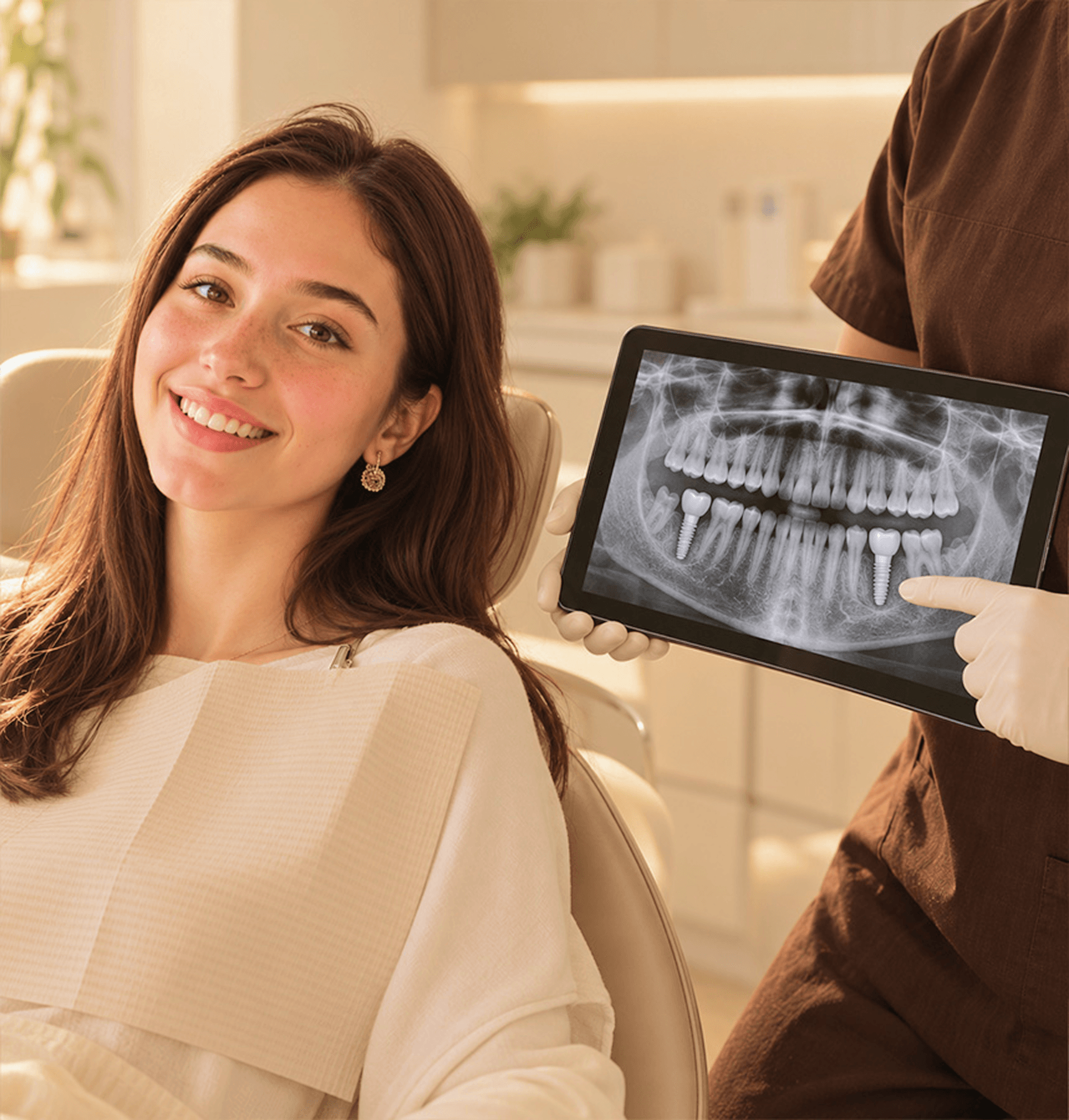
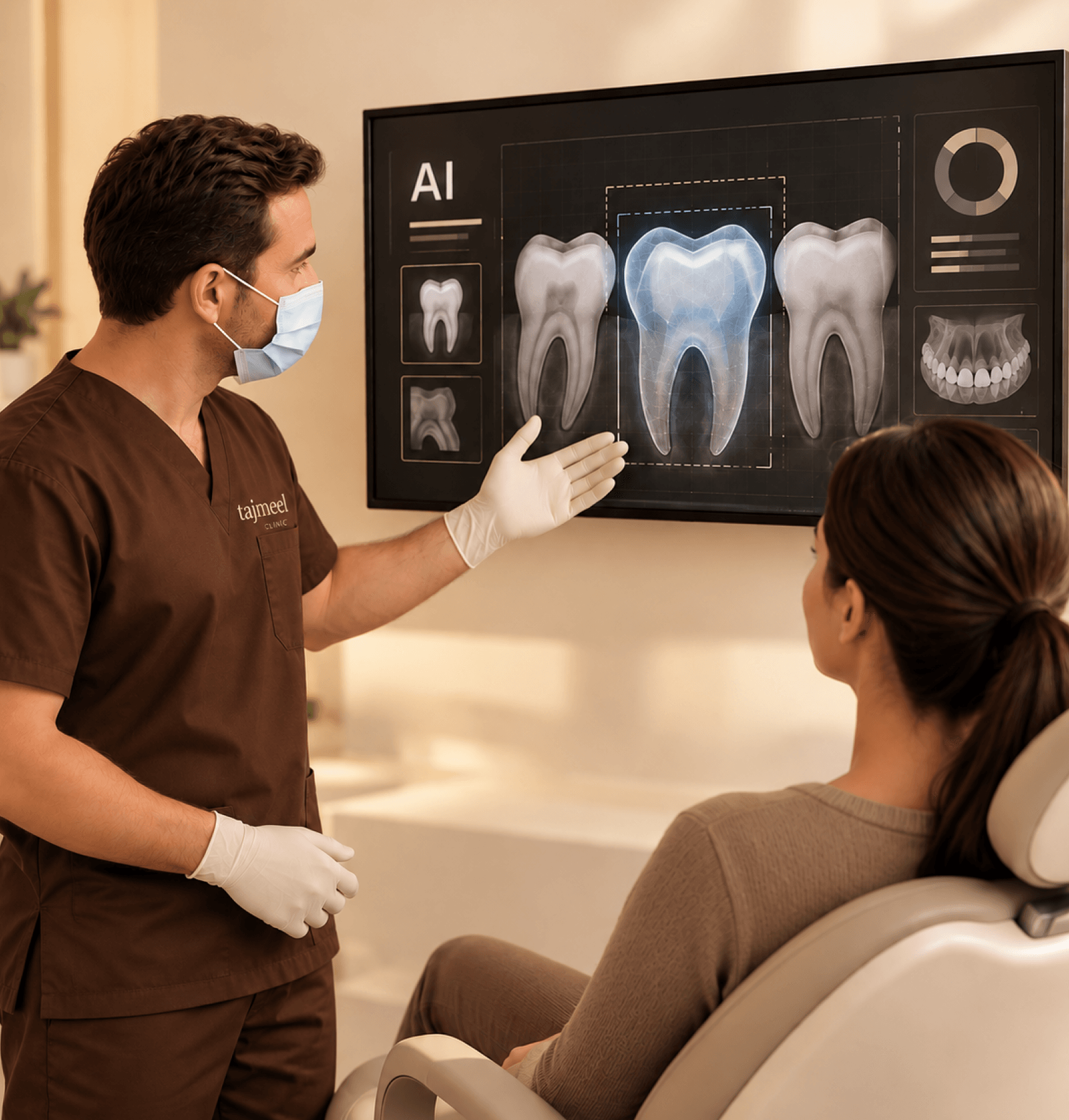
Navigation-guided surgery uses a tracking system to guide instruments to the position planned on a 3D scan. The dentist sees the drill position in real time, allowing implants to be placed accurately with respect to bone, nerves and the planned restoration.

Know the Science of
Navigation-Guided Surgery
Plans On A 3D Scan
- Cone beam imaging maps the jaw
- Implant position is planned digitally
- Nerves and sinuses are mapped

How Guided Surgery Changes Your Routine
Precision Placement
The implant follows the planned position closely.
Respect For Anatomy
Nerves and sinuses are avoided with greater confidence.
Potentially Less Invasive
Guided techniques can allow smaller incisions in suitable cases.
Predictable Restorations
Accurate placement simplifies the final crown or bridge.
- Guided

Real-time tracking guides surgical instruments to precise position.
- Accurate
Drill position is monitored continuously against 3D plan.
- Anatomical
System protects nerves and sinuses by maintaining distance.
Dos and Don’ts
Aftercare
Attend Your Planning Scan
Accurate imaging underpins the whole process.
Follow Pre-Surgical Instructions
Preparation supports a smooth procedure.
Look After The Surgical Site
Follow all post-operative guidance.
Avoid Smoking
Smoking undermines healing regardless of technique.
Attend Healing Checks
Integration is confirmed before restoration.
Ask To See The Plan
Understanding the plan helps you follow the process.

FAQs
Clarity to help you understand the treatment, what it does, and how it feels.
A surgical guide is a physical template made in advance. Navigation tracks the instruments live on screen, allowing the dentist to adjust during surgery if needed. Both improve accuracy, and your dentist will recommend the approach best suited to your case.
Related Specialties