Loading…

Otoplasty (Ear Reshaping)
Shape, Position, Proportion
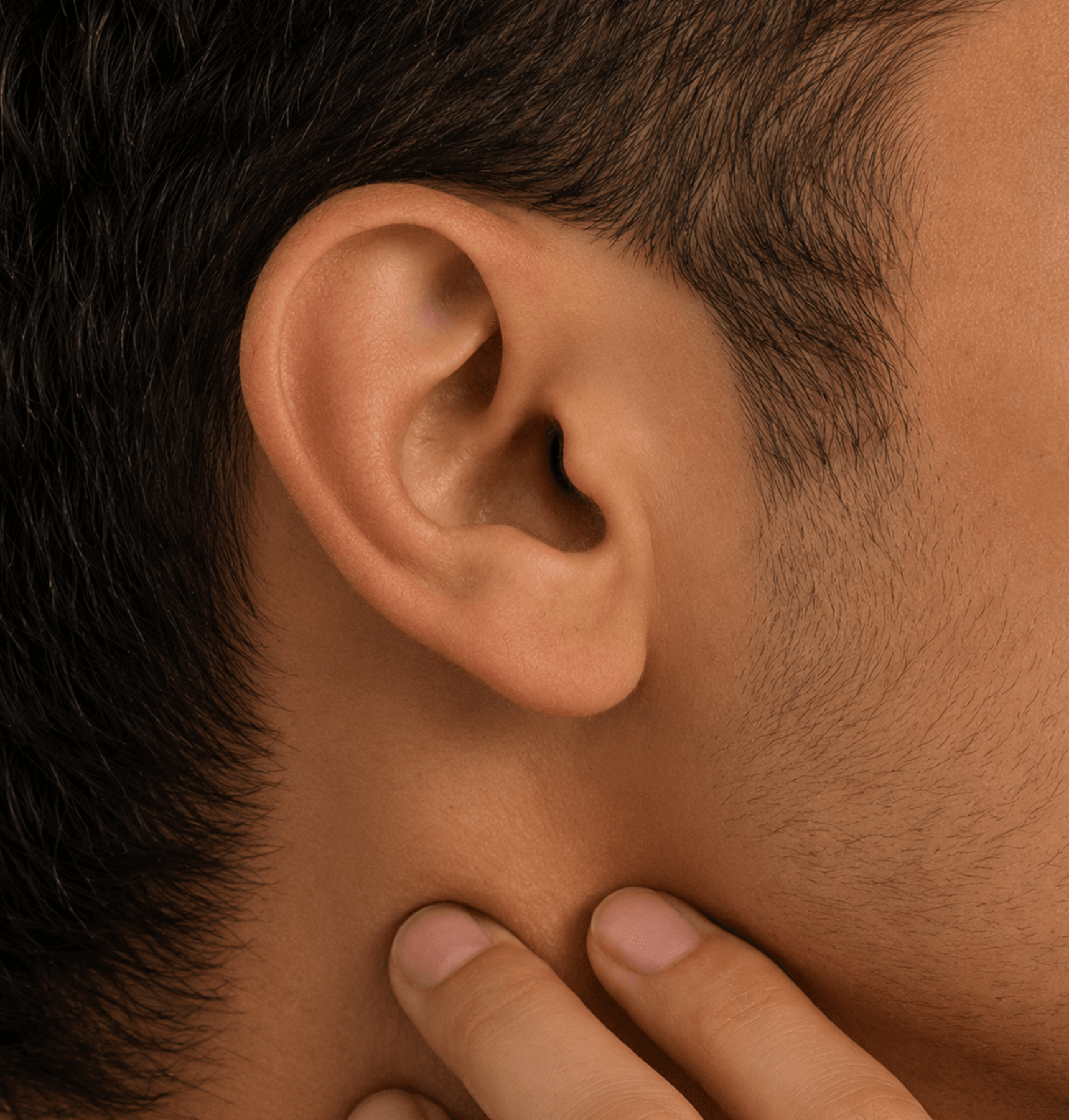
Otoplasty is surgery that changes the shape, position or proportion of the ears. It can address prominent, asymmetrical or misshapen ears by reshaping the cartilage and repositioning the ear closer to the head where appropriate.

Know the Science of
Otoplasty
Reshapes The Ear Cartilage
- Changes the structure of the outer ear
- Cartilage may be folded or reshaped
- Internal sutures can hold the new form

How Otoplasty Changes Your Routine
Greater Freedom With Hairstyles
Changes to ear position can make the ears less prominent when the hair is pulled back or worn short.
A Different Ear Profile
Reshaping can alter how the ears sit in relation to the head and surrounding facial features.
Less Attention On Ear Proportion
The procedure can address ears that appear particularly prominent, large or uneven.
Results That Settle Over Time
The new position becomes visible once the initial dressing is removed, while the ears continue to heal during the following weeks.
- Posterior

The incision is usually placed behind the ear.
- Anaesthesia
Local anaesthesia with sedation may suit adult patients.
- Dressing
A protective dressing covers the ears after surgery.
Dos and Don’ts
Aftercare
Keep The Dressing In Place
Do not remove or disturb the surgical dressing unless your expert has instructed you to do so.
Keep Your Ears Protected
Avoid pressure, impact and unnecessary handling while the ears are healing.
Choose Easy Clothing
Button-front or loose-fitting tops can help prevent contact with the ears when dressing.
Sleep On Your Back
Avoid putting pressure directly on the ears during the early stages of recovery.
Keep The Area Dry As Advised
Follow the specific instructions provided for washing and caring for the surgical site.
Return For Review
Follow-up appointments allow your expert to check healing and determine when dressings or stitches can be removed.

FAQs
Clarity to help you understand the treatment, what it does, and how it feels.
Otoplasty can alter the shape, position and proportion of the external ear. Depending on the reason for surgery, it may be used to bring prominent ears closer to the head, reshape cartilage or address differences in ear structure. It does not alter hearing.
Related Specialties